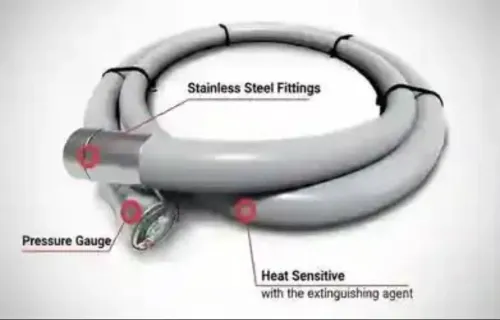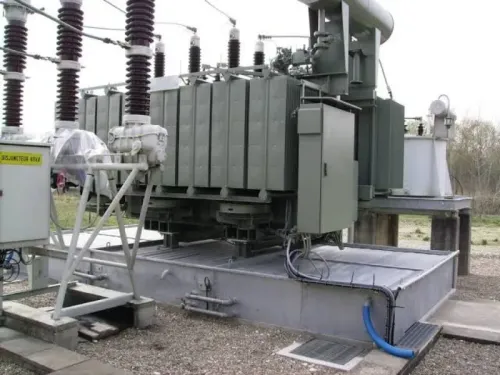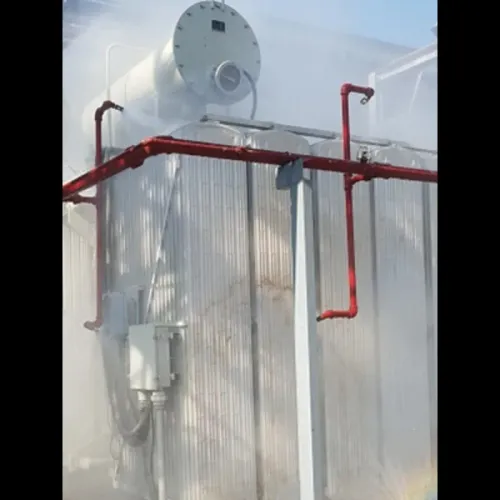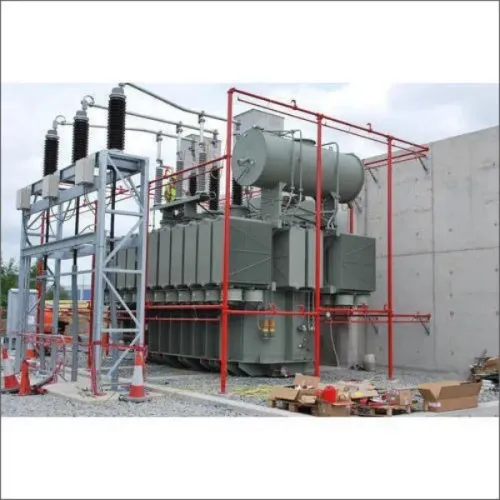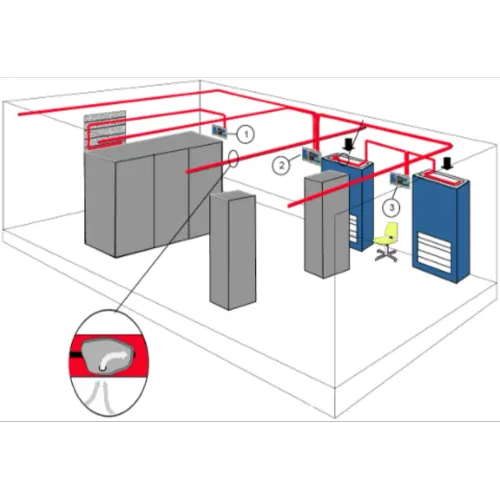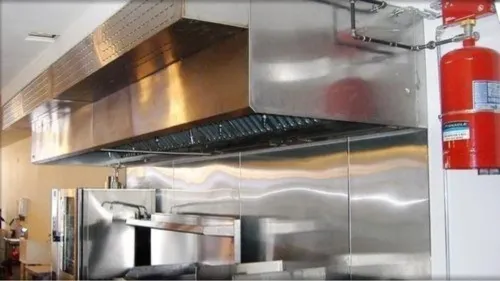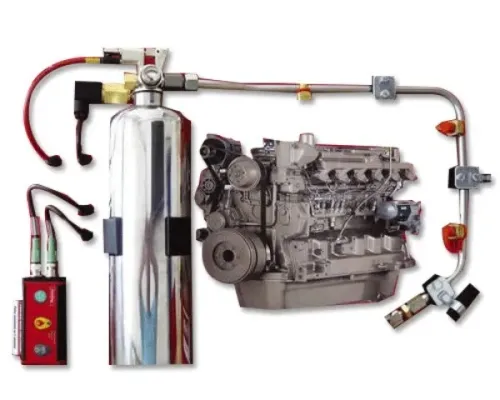
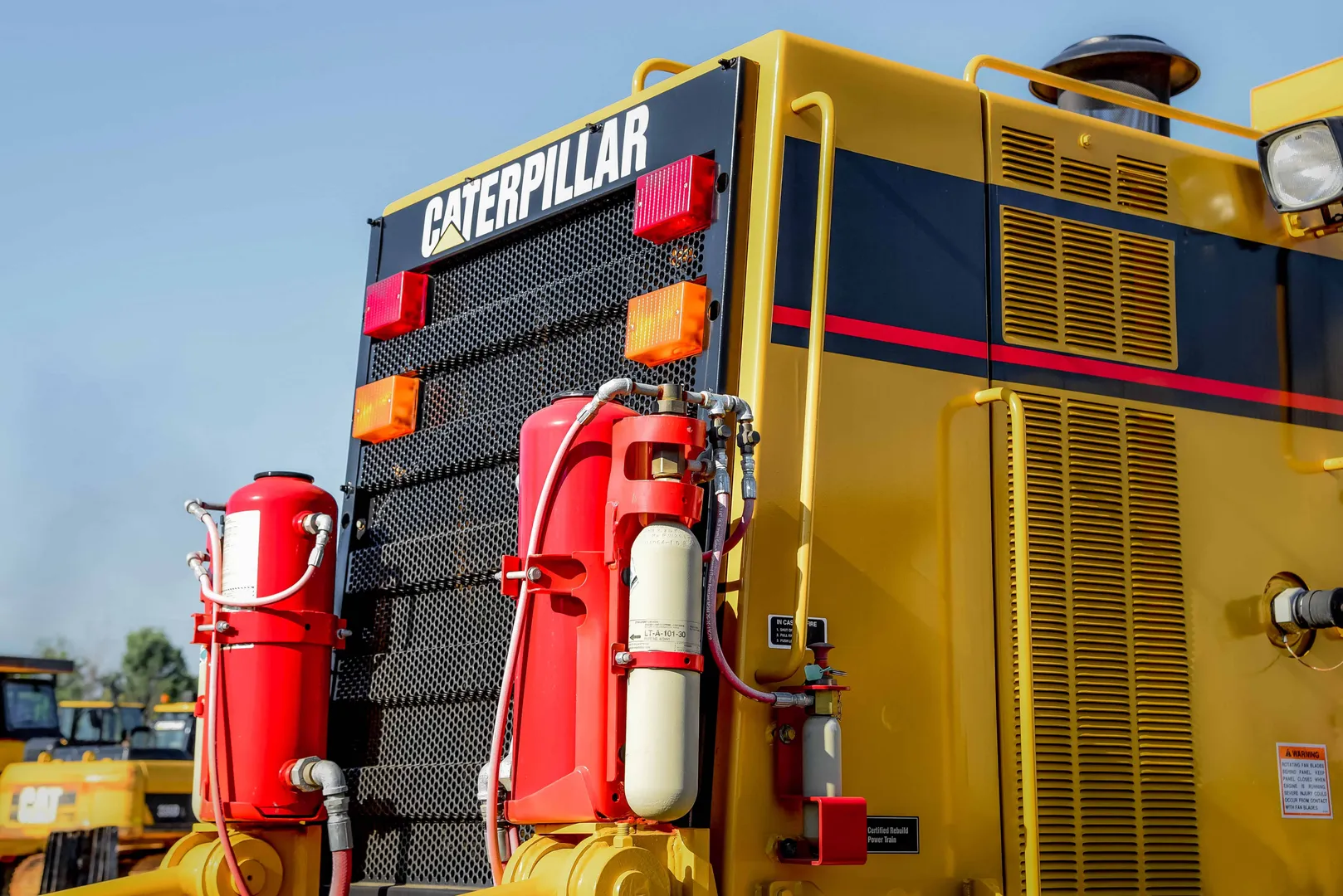
An automatic fire suppression system for vehicles is a compact, self-activating safety mechanism designed to detect and extinguish fires in high-risk areas such as the engine compartment, battery pack, or fuel system without human intervention. These systems typically use heat-sensitive detection tubing or electronic sensors that trigger when temperatures exceed a preset threshold, releasing a fire-suppressing agent such as clean agents (e.g., FK-5-1-12), dry chemical powder, or foam through strategically placed nozzles. The system is powered either by stored pressure within the cylinder or an electrically activated discharge unit, ensuring rapid response within seconds to prevent fire escalation. Key components include the suppressant cylinder, detection line or sensors, control unit, discharge piping, and nozzles. Designed to withstand vibration, dust, and harsh automotive environments, these systems are widely used in commercial vehicles, electric vehicles, mining equipment, and motorsports to enhance safety, reduce damage, and comply with fire protection standards.
Keywords