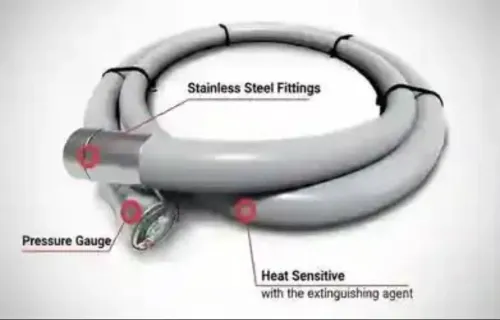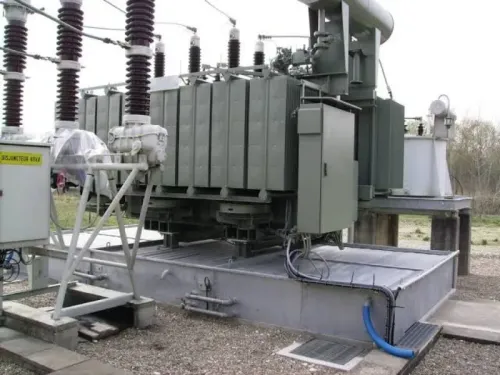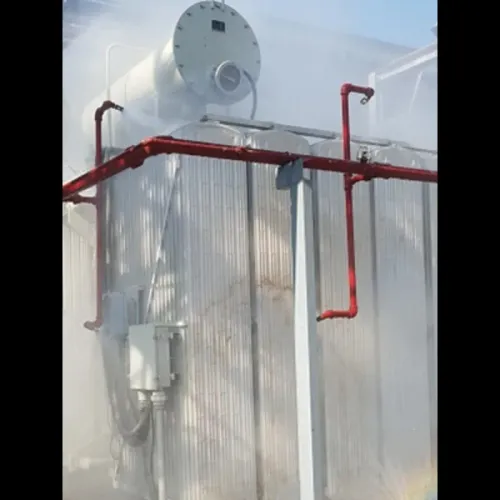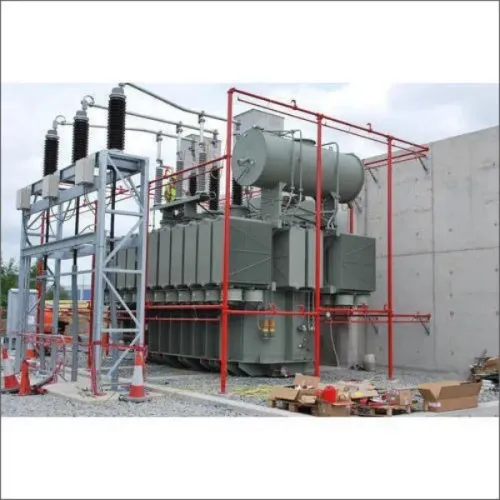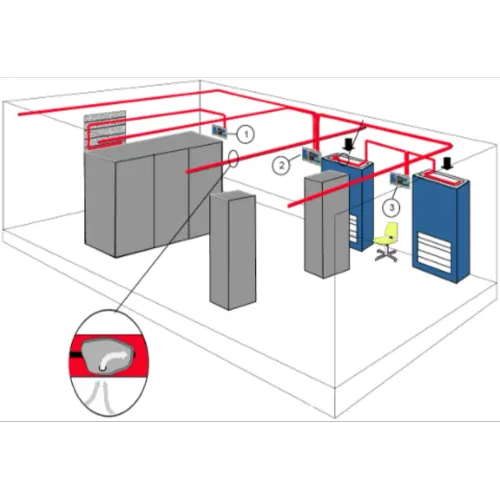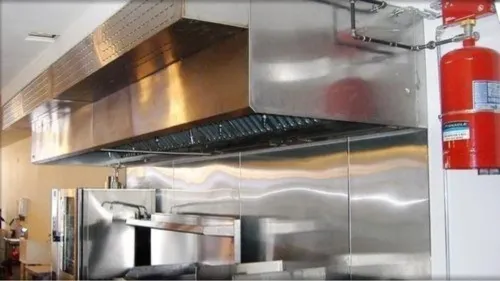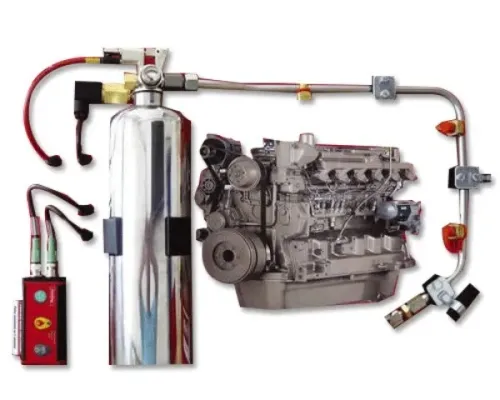
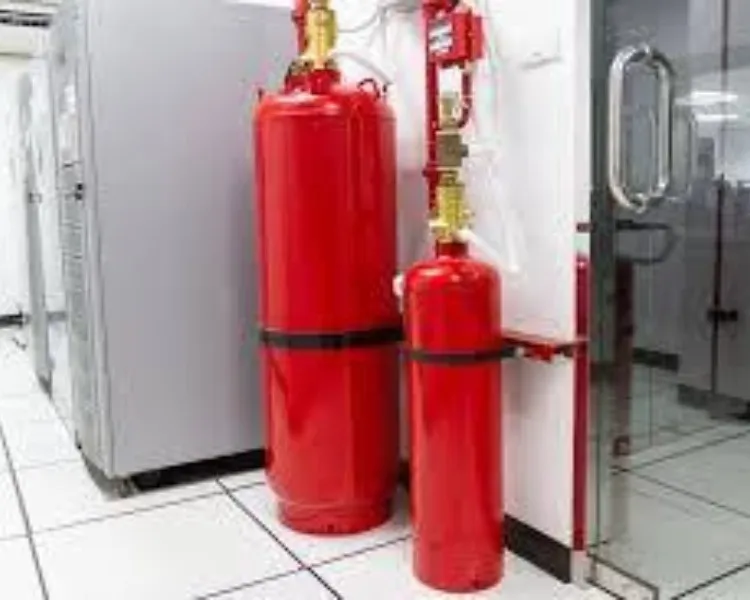
A clean agent fire flooding system is an engineered fire suppression solution designed to rapidly extinguish fires in enclosed or sensitive environments without causing damage to equipment or leaving residue. It operates by discharging a gaseous extinguishing agent—such as FM-200 (HFC-227ea), Novec 1230, or inert gas blends like IG-541—into a protected space once a fire is detected. The system typically consists of storage cylinders, a piping network, discharge nozzles, detection and control panels, and activation mechanisms. Upon detection of fire through smoke, heat, or flame detectors, the control panel initiates an alarm and, after a predefined delay, releases the agent into the room to achieve a specified concentration. The extinguishing mechanism works either by absorbing heat (chemical agents) or reducing oxygen concentration (inert gases) to a level that cannot sustain combustion, while remaining safe for occupants within design limits. These systems are widely used in critical facilities such as data centers, server rooms, electrical panels, archives, and control rooms where water-based suppression could cause significant damage. Proper design, installation, and maintenance must comply with international standards such as NFPA 2001 to ensure effectiveness, safety, and regulatory compliance.
Keywords