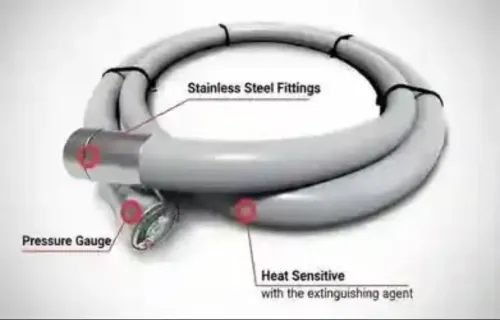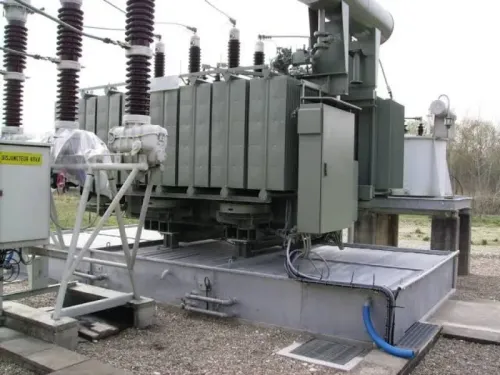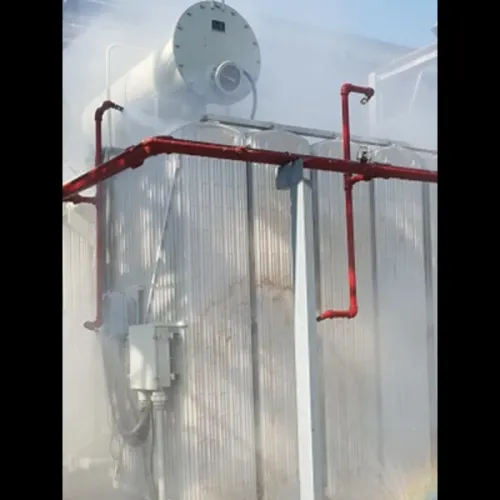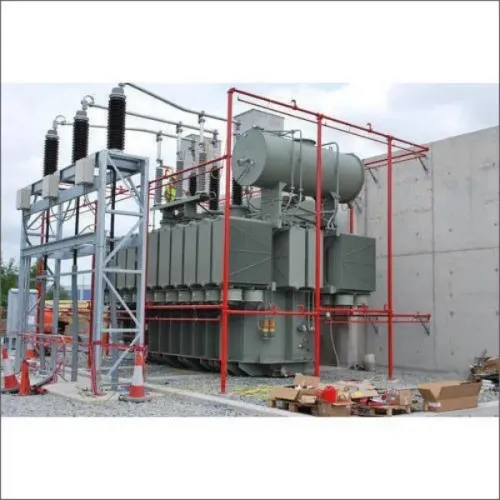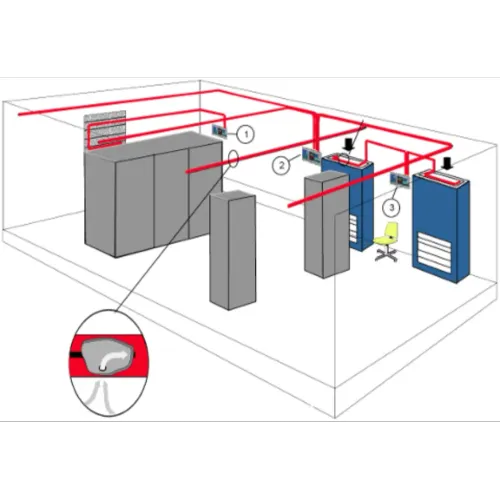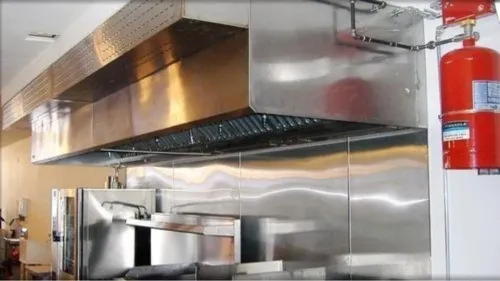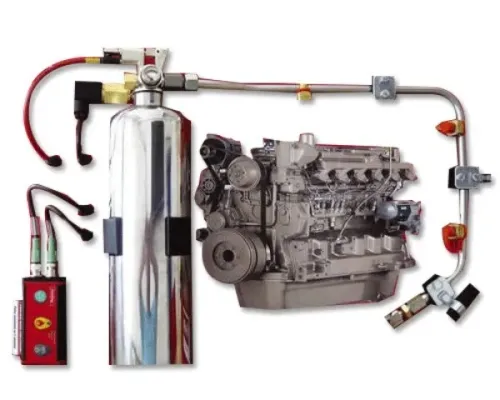
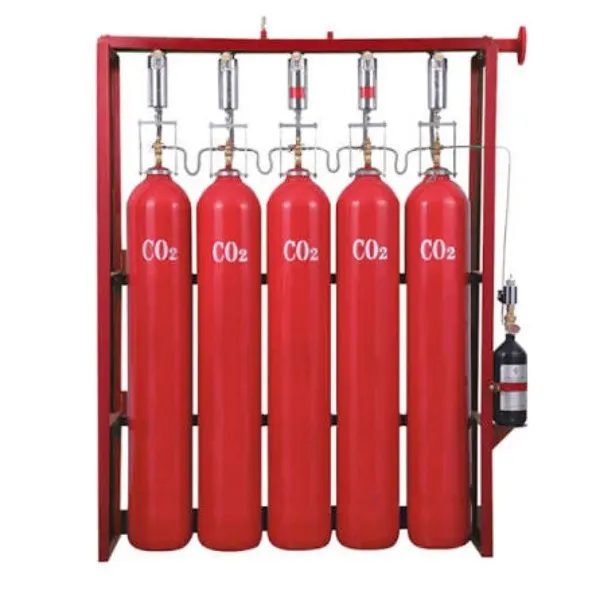
A 'Carbon Dioxide (CO₂) Fire Extinguishing System' is an automatic gaseous fire suppression system designed to control and extinguish fires by discharging a calculated concentration of carbon dioxide into the protected area. CO₂ extinguishes fire primarily by 'reducing the oxygen concentration' below the level required to sustain combustion and by providing a cooling effect during discharge. The system typically consists of high-pressure CO₂ storage cylinders, cylinder valves, discharge piping, nozzles, detection and releasing control panel, fire detectors, manual release stations, abort switches, alarms, and associated accessories. Upon detection of a fire condition, the releasing system activates the CO₂ discharge sequence and releases the required quantity of gas through strategically positioned nozzles to achieve uniform concentration throughout the protected enclosure. CO₂ systems are commonly used for 'electrical rooms, transformer areas, generator rooms, industrial machinery, process equipment, and other applications where water-based suppression may not be suitable'. The system is engineered according to the protected hazard, enclosure volume, fire risk, required design concentration, and applicable codes and standards, with appropriate safety interlocks, alarms, warning signage, and personnel protection measures incorporated into the installation.
Keywords