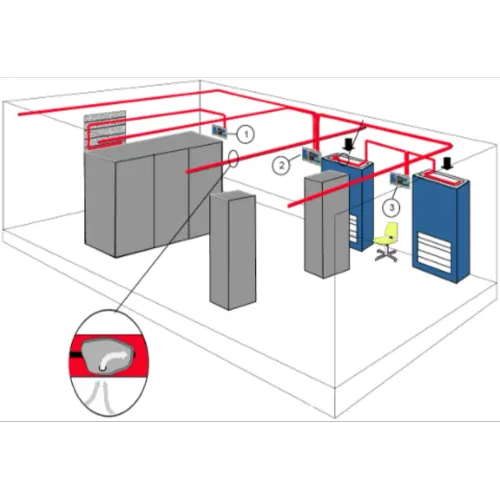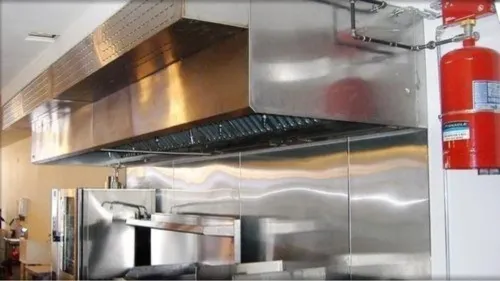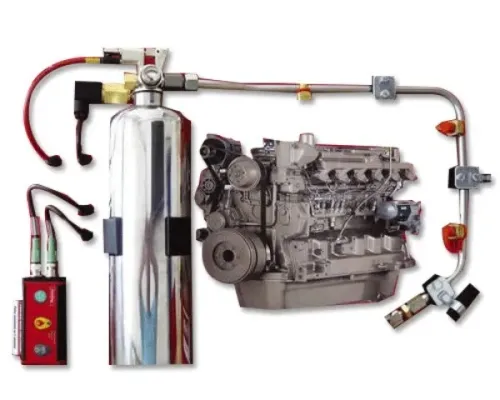
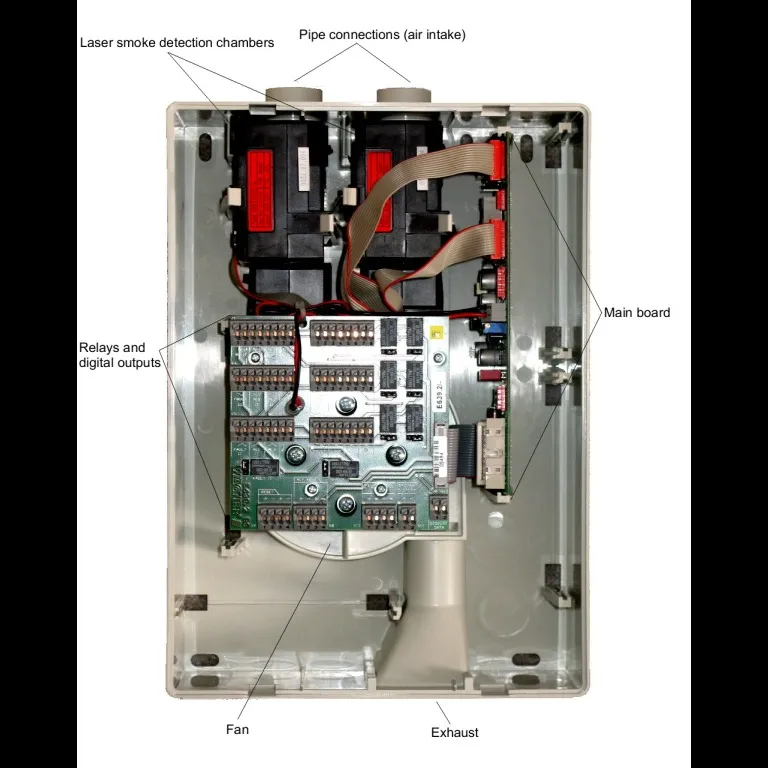
Air Sampling Detection (ASD) is a highly sensitive smoke detection system designed to provide very early warning of fire by continuously drawing air samples from the protected area through a network of small-bore sampling pipes. The sampled air is transported to a central detection unit, where it passes through advanced filtration and a high-sensitivity optical detection chamber, typically utilizing laser-based technology to identify minute concentrations of smoke particles that conventional point-type smoke detectors may not detect. The system continuously analyzes airborne particulate levels, compensates for environmental changes, and generates multiple programmable alarm thresholds, such as Alert, Action, Fire 1, and Fire 2, to facilitate staged responses. ASD systems are particularly suitable for mission-critical environments, including data centers, telecommunications facilities, clean rooms, electrical switchgear rooms, archives, museums, healthcare facilities, and other high-value or high-risk applications where early fire detection is essential for minimizing damage, preventing downtime, and ensuring personnel safety. The system integrates seamlessly with fire alarm control panels (FACP) and building management systems (BMS) using standard communication protocols, providing reliable, continuous monitoring and rapid response in accordance with applicable fire safety standards and design guidelines.
Keywords