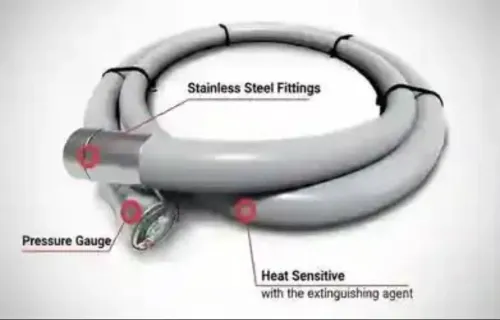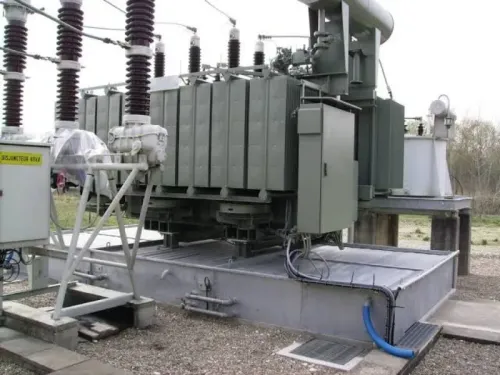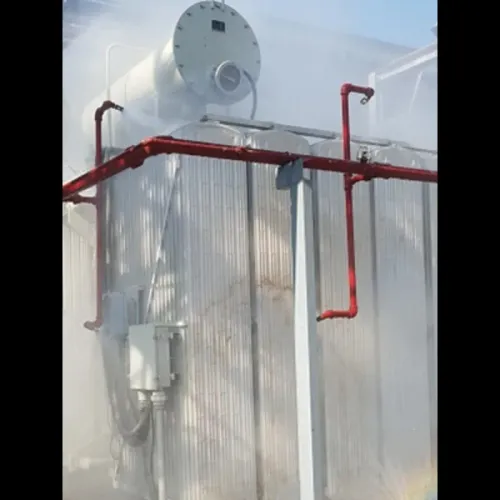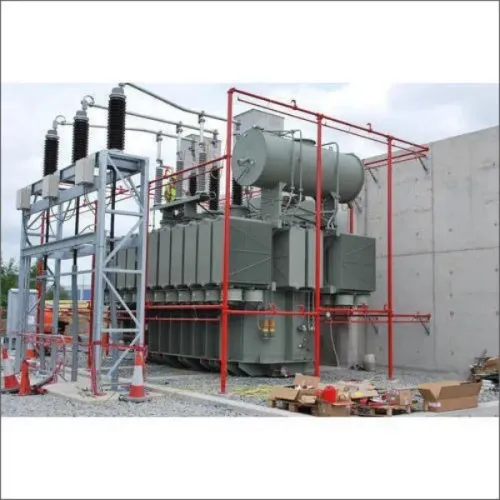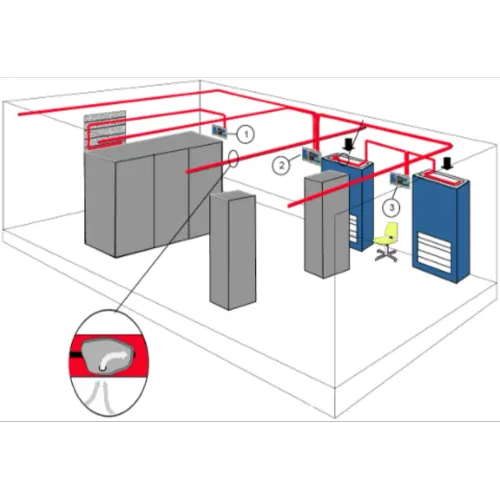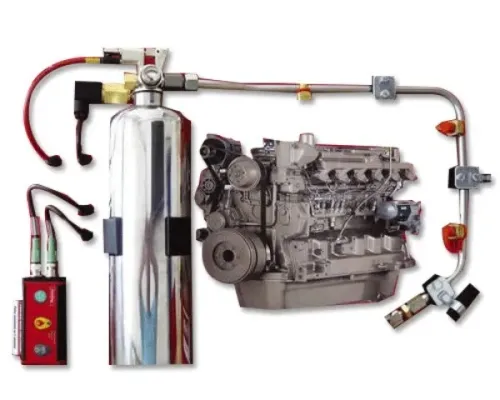
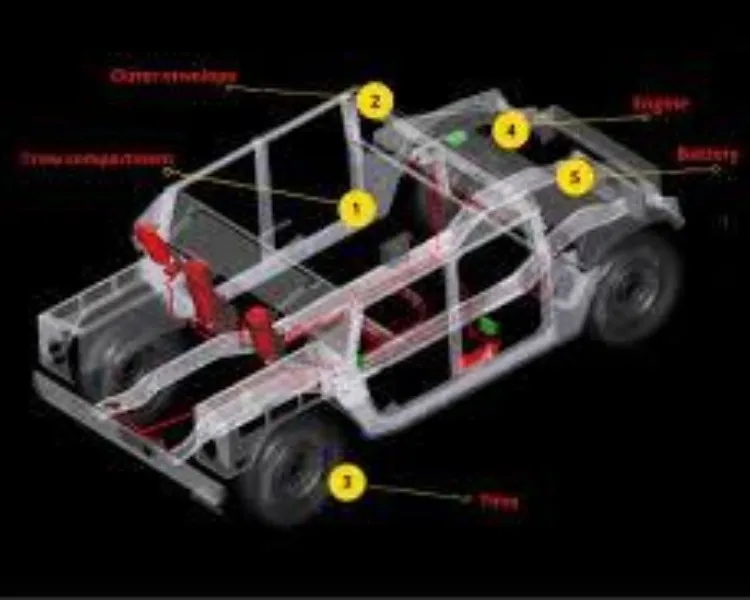
A Vehicle Fire Suppression System (VFSS) is an integrated safety system designed to automatically detect and suppress fires in vehicles, particularly in high-risk environments such as mining equipment, construction machinery, military vehicles, buses, and heavy transport vehicles. The system typically consists of fire detection devices, a control unit, suppressant storage cylinders, distribution piping, and discharge nozzles strategically installed in critical compartments such as the engine bay, hydraulic areas, battery compartments, and fuel systems. Fire detection is commonly achieved using linear heat detection cables, thermal sensors, or flame detectors, which continuously monitor temperature changes and trigger the system when a predetermined threshold is exceeded. Once activated, the control module initiates the release of a stored fire-suppressing agent—such as dry chemical powder, foam, or clean agents—through a network of piping and nozzles to rapidly extinguish the fire by interrupting the combustion process, cooling hot surfaces, and isolating oxygen from the flame. The system can operate automatically or through manual activation via strategically located actuators inside or outside the vehicle. Modern systems also incorporate alarm indicators, system status monitoring, and integration with vehicle electrical systems to ensure prompt notification and safe shutdown if necessary. Vehicle fire suppression systems are engineered to comply with relevant safety standards and are designed to minimize fire damage, protect occupants and equipment, and reduce operational downtime.
Keywords