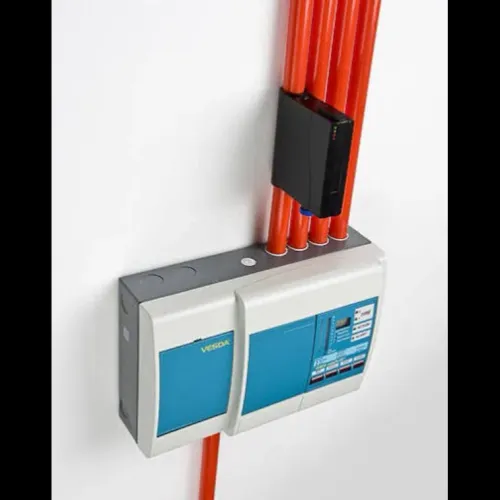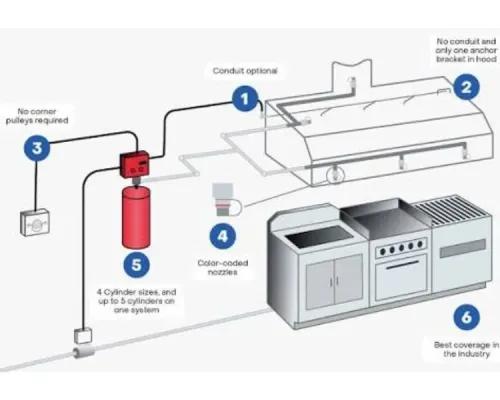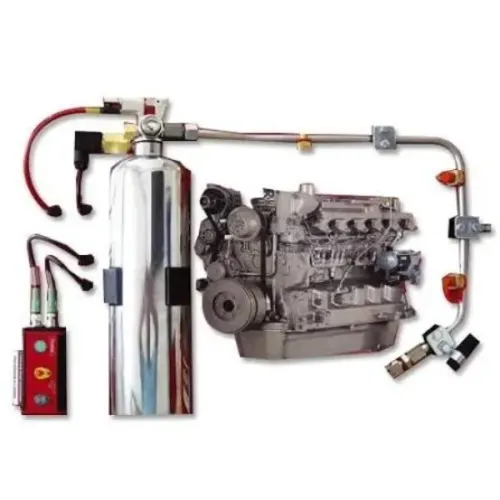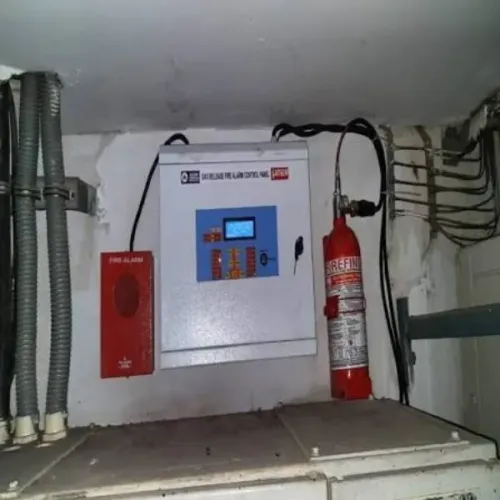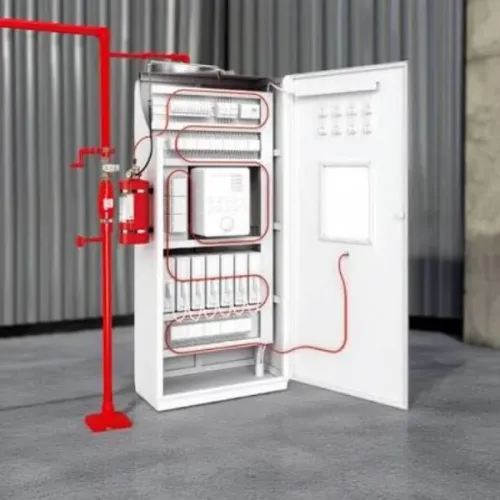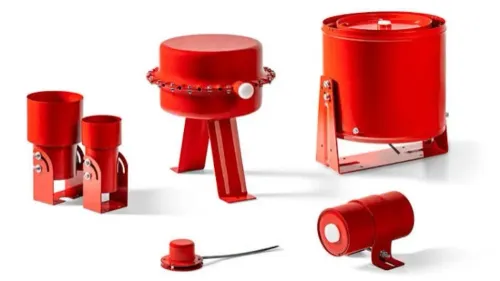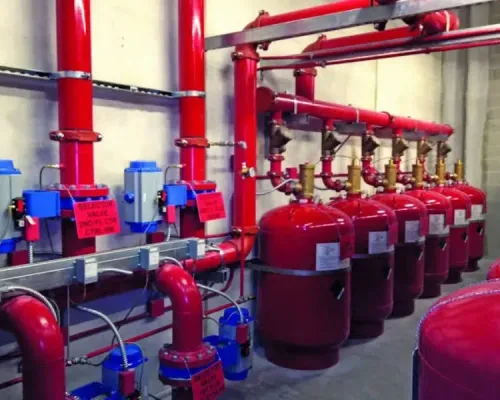
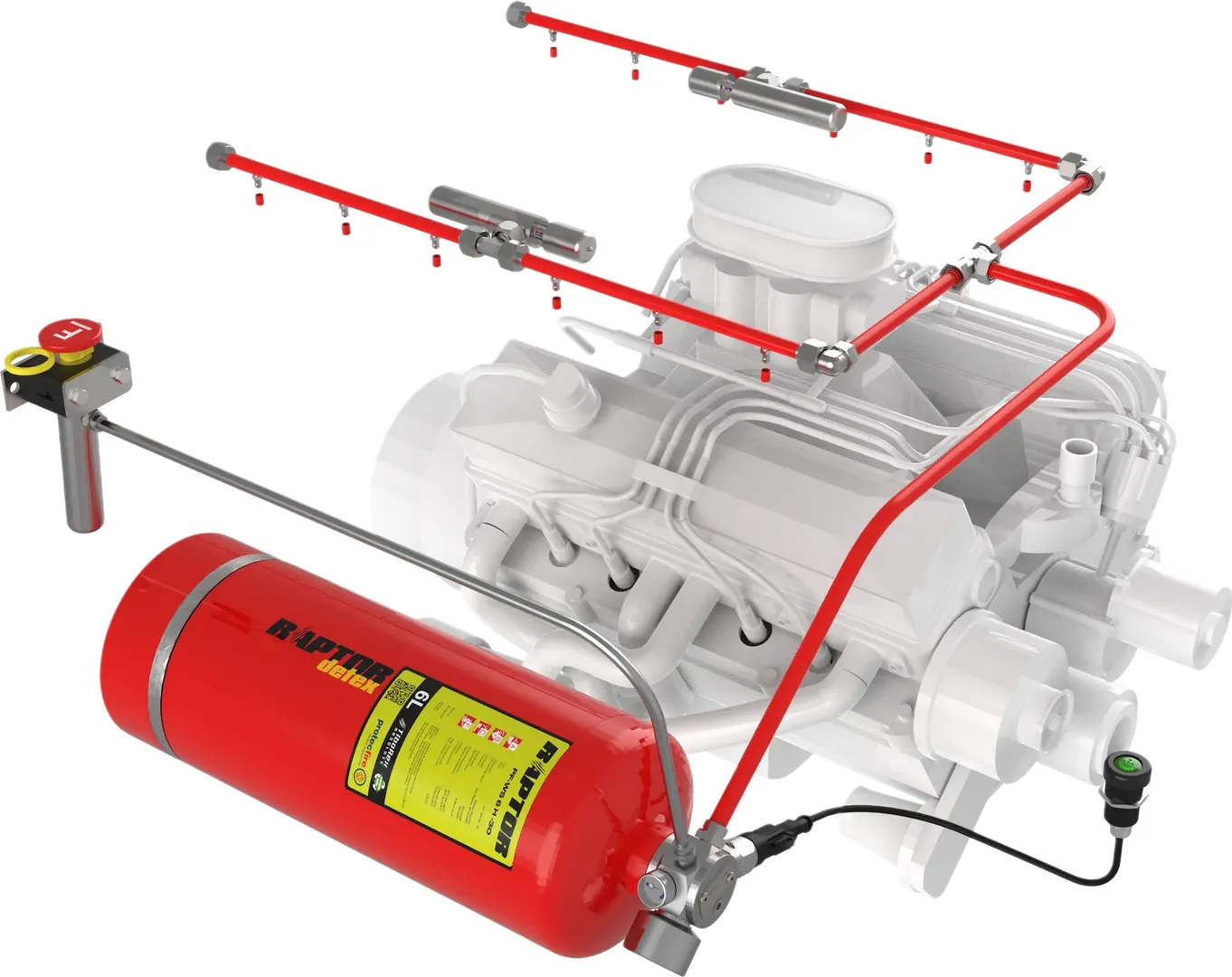
A vehicle fire protection system is an integrated safety mechanism designed to detect, control, and suppress fires in vehicles such as cars, buses, trucks, and specialized machinery. It typically consists of three main components: a detection system, a control unit, and a suppression system. The detection system uses heat sensors, flame detectors, or smoke sensors strategically placed in high-risk areas like the engine compartment, battery section, or fuel system to identify the early signs of fire. Once a fire is detected, the control unit processes the signal and activates the suppression system either automatically or manually. The suppression system then discharges a fire-extinguishing agent commonly dry chemical powder, foam, or clean agents such as FM-200 or Novec 1230 through a network of pipes and nozzles to rapidly extinguish the fire by cooling, smothering, or interrupting the chemical reaction of combustion. These systems are designed to operate under harsh conditions, including vibration, temperature variations, and dust, ensuring reliability and quick response. Advanced systems may also include alarms, shutdown mechanisms for the engine or electrical circuits, and integration with vehicle monitoring systems to enhance overall safety and minimize damage, downtime, and risk to human life.
Keywords