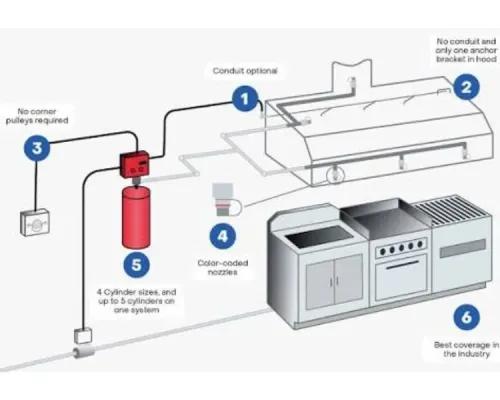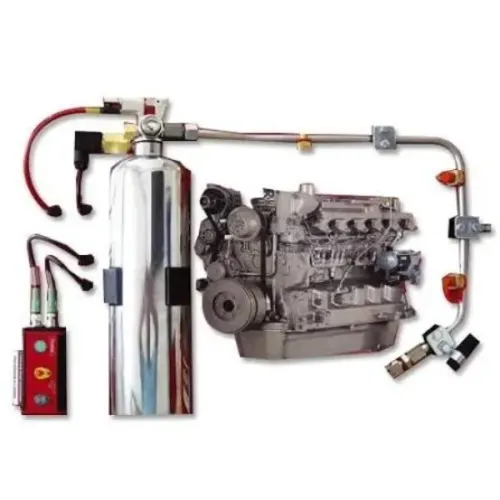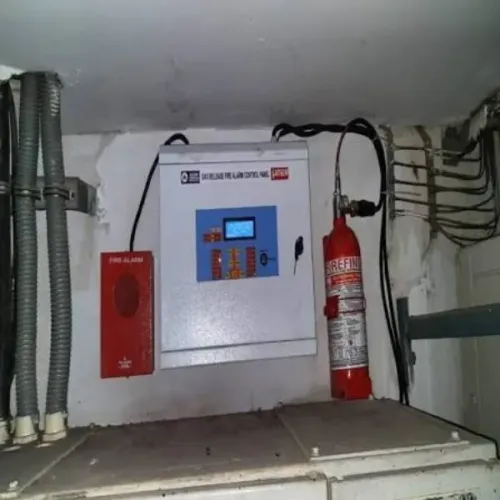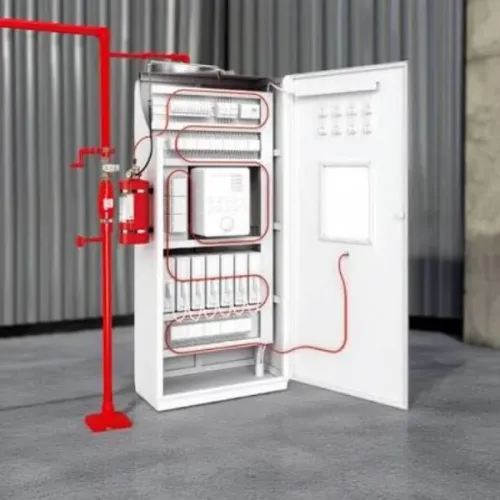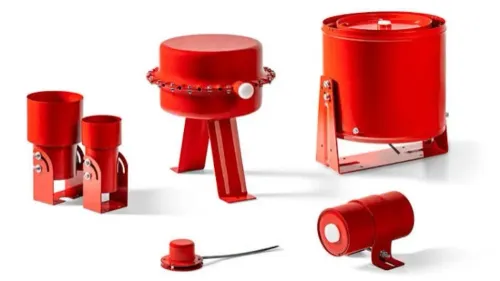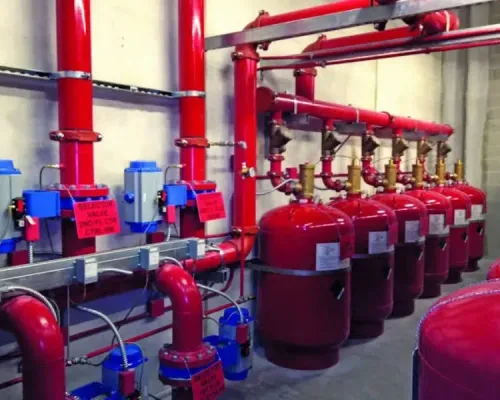
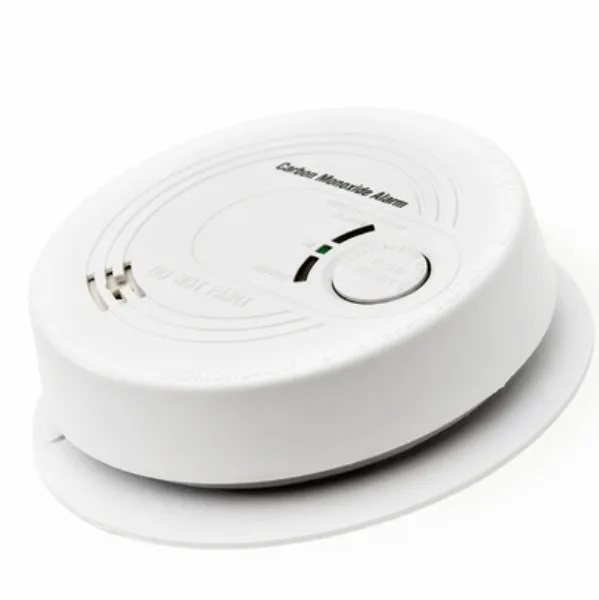
A gas detection system in a fire suppression system is designed to continuously monitor an area for the presence of hazardous or fire-related gases and provide early warning before a fire or dangerous condition fully develops. The system uses specialized gas detectors or sensors installed in strategic locations to detect gases such as smoke by-products, flammable gases (like methane or propane), or toxic gases released during overheating or combustion. When gas concentrations exceed preset safety thresholds, the detectors send signals to a control panel, which triggers audible and visual alarms and can automatically activate the fire suppression system. Depending on the design, this may include releasing clean agents, inert gases, or other extinguishing media, shutting down ventilation systems, and isolating electrical or fuel sources to prevent escalation. Gas detection systems are especially critical in enclosed or high-risk environments such as data centers, industrial plants, battery rooms, and engine rooms, where early detection helps minimize fire damage, protect equipment, and ensure occupant safety by allowing timely evacuation and rapid fire control.
Keywords