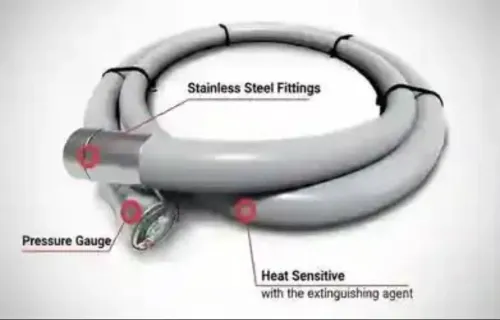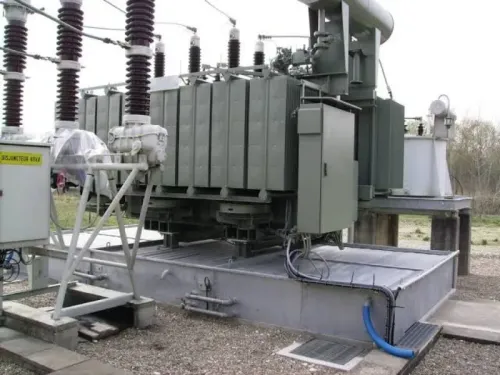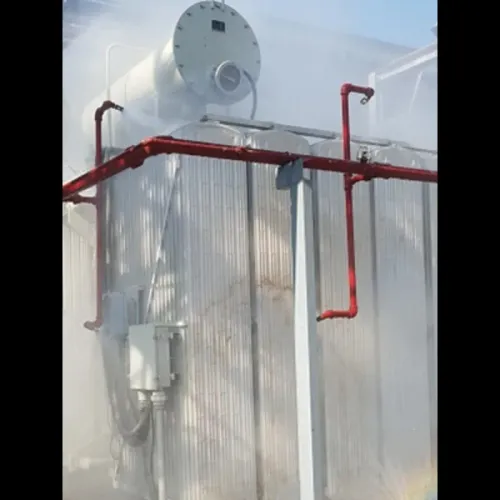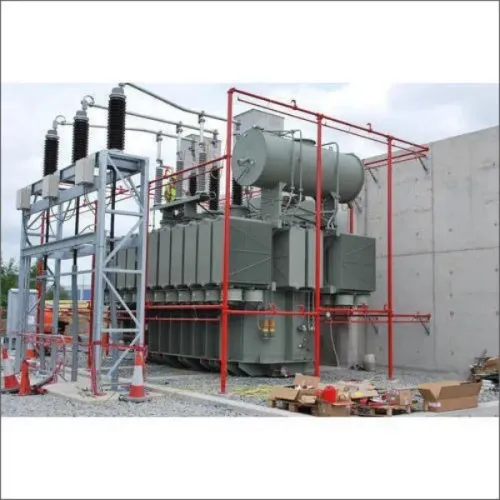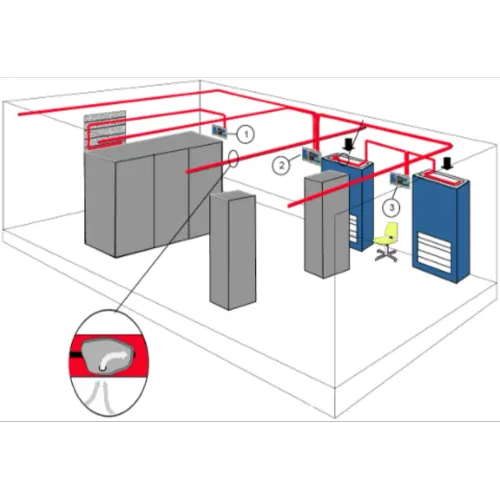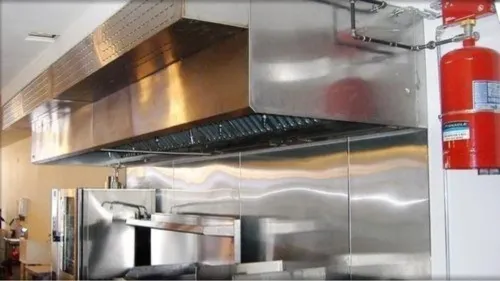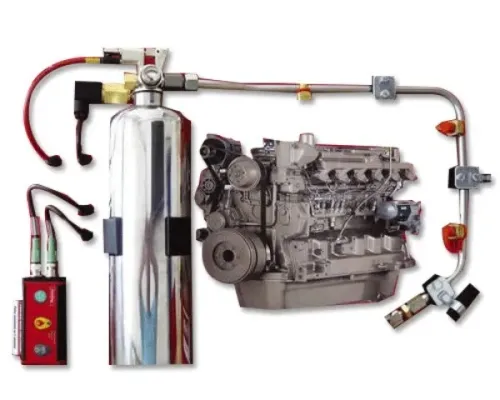
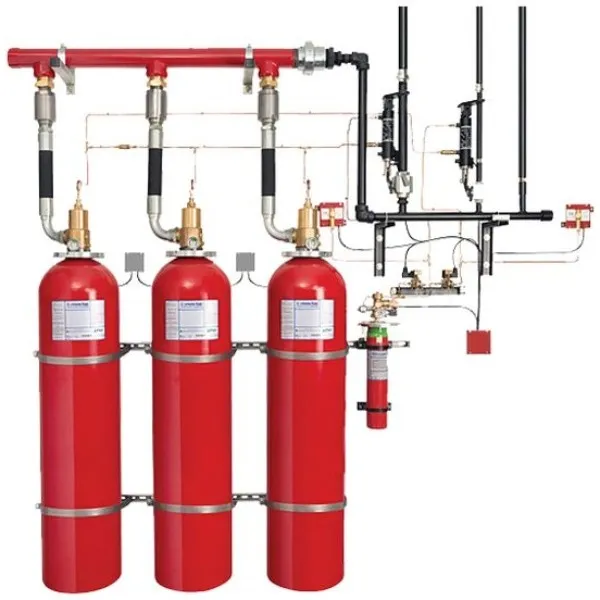
A carbon dioxide (CO₂) automatic fire suppression system is a fixed firefighting installation designed to extinguish fires by reducing the oxygen concentration in an enclosed or semi-enclosed space to a level that cannot support combustion. The system typically consists of high-pressure CO₂ storage cylinders, a network of distribution piping, discharge nozzles, and an automatic detection and control system. Upon detection of a fire—through heat, smoke, or flame detectors—the control panel triggers an alarm and initiates a time delay to allow personnel evacuation before releasing CO₂. The gas is then discharged rapidly into the protected area, where it spreads evenly and displaces oxygen while also providing a cooling effect, effectively suppressing the fire without leaving residue or damaging sensitive equipment. These systems are commonly used in areas with high-value assets or electrical equipment, such as server rooms, turbine enclosures, marine engine rooms, and industrial machinery spaces. Proper design must comply with standards like NFPA 12, ensuring adequate concentration levels, tight enclosure integrity, and safety measures such as warning alarms, lockout mechanisms, and manual override controls to prevent accidental discharge and ensure human safety.
Keywords