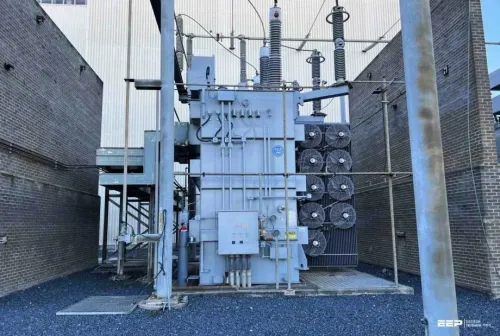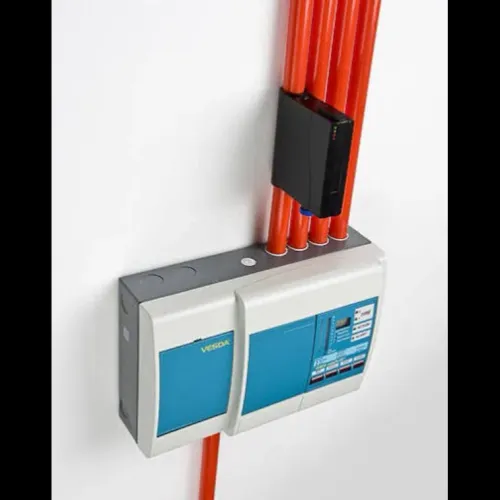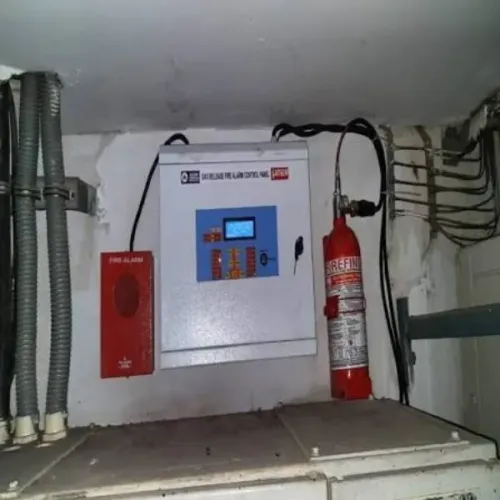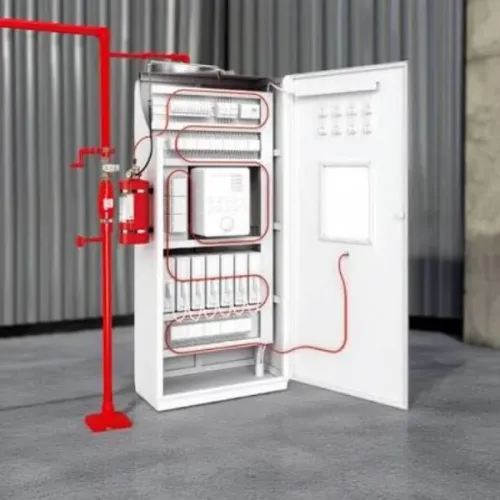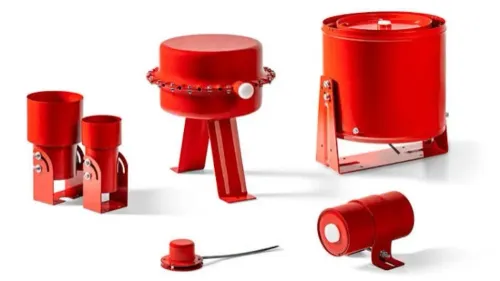
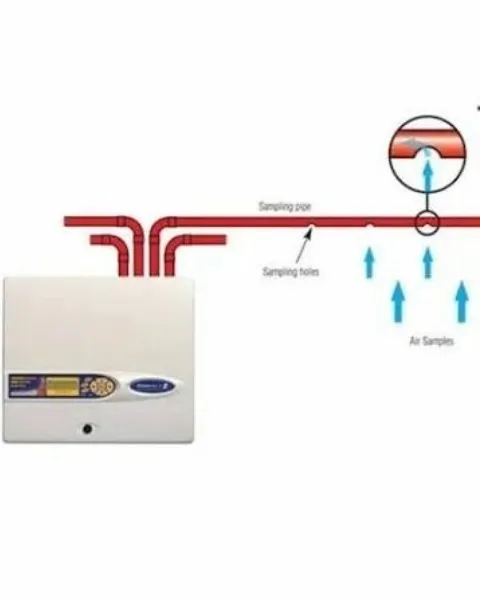
An Air Sampling Smoke Detection (ASD) System is a highly sensitive fire detection technology designed to identify the presence of smoke particles at the earliest possible stage, often before visible smoke is produced. Unlike conventional point smoke detectors that rely on smoke reaching the detector naturally, an ASD system continuously draws air from the protected environment through a network of strategically placed sampling pipes using a high-performance aspirator (fan). The sampled air passes through a filtration system to remove dust and contaminants before entering a laser-based optical detection chamber, where extremely small concentrations of combustion particles are analyzed. Advanced signal processing algorithms distinguish genuine fire signatures from environmental interference, minimizing false alarms while maintaining exceptional sensitivity. Most ASD systems support multiple programmable alarm thresholds, such as Alert, Action, Fire 1, and Fire 2, enabling staged responses ranging from investigation to automatic fire suppression activation. These systems provide continuous airflow monitoring to detect pipe blockages, leaks, or fan failures and are commonly integrated with building management systems (BMS) and fire alarm control panels through relay outputs or communication protocols. Air Sampling Smoke Detection is particularly suitable for mission-critical and high-value environments such as data centers, telecommunication facilities, clean rooms, hospitals, museums, power plants, warehouses, transportation hubs, and industrial facilities, where early fire detection is essential to protect equipment, minimize downtime, and ensure occupant safety.
Keywords